Making your corporate seminar a success: the organiser's guide
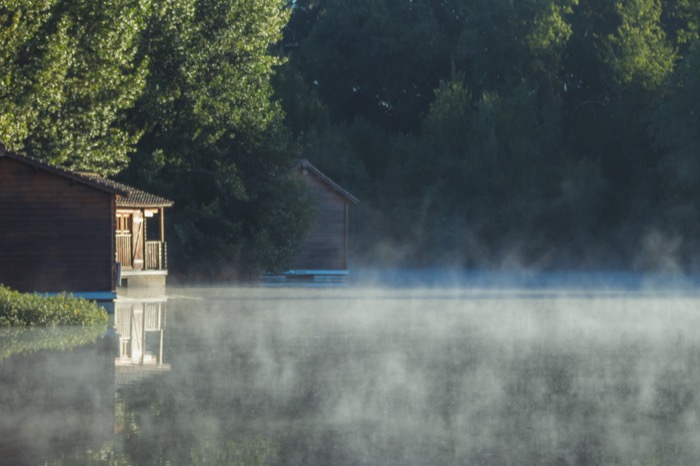
Making your corporate seminar a success is no accident: it is the result of methodical preparation. From defining the objectives to choosing the venue, by way of the budget, the programme and the logistics, every step matters. This organiser's guide walks you through, step by step, how to organise a memorable seminar — with a recap checklist at the end. To bring the advice to life, we use the concrete example of the Domaine du Dahu, in Sablons, in the Gironde, between Bordeaux and Périgueux: a privatisable estate in nature, less than 40 minutes from Bordeaux, ideal for small-team seminars.
Step 1: define the seminar's objectives
Before any logistics, ask the fundamental question: why organise this seminar? A seminar with no clear objective is a budget spent with no measurable return. The most common objectives are:
- Strengthening cohesion: bringing a team together, integrating new joiners, rebuilding bonds after a period of remote work.
- Working on substance: strategic thinking, launching a project, an annual review, building a roadmap.
- Motivating and thanking: celebrating a success, rewarding effort, rekindling collective momentum.
- Aligning and communicating: sharing a vision, presenting a reorganisation, spreading a company culture.
A seminar can combine several objectives, but one must take priority: it is that objective that will shape the choice of venue, programme and duration. Also note your success indicators — a satisfaction survey, a concrete action plan, a deliverable — so you can evaluate the seminar afterwards.
Step 2: set the budget
The budget shapes almost every decision that follows. Build it line by line rather than as a single block:
- Accommodation: number of nights, type of rooms, configuration depending on the size of the group.
- Venue hire: privatisation, working spaces, access to on-site activities.
- Catering: lunches, dinners, breaks, a catering service or self-prepared meals.
- Activities: team building, facilitated workshops, external speakers.
- Transport: colleagues' travel, any shuttle services.
- A safety margin: allow 10 to 15% for unforeseen costs.
Choosing a privatisable, flexible venue helps keep the budget under control: with an equipped kitchen and the option to call on local caterers, you adjust the level of service to your budget. The estate privatisation page lets you request a quote tailored to the format of your seminar.
Step 3: choose the venue and the date
The venue sets the tone of the seminar. To choose well, review these criteria:
- Accessibility: a venue that is too far away discourages attendance and inflates the transport budget.
- Capacity: the venue must suit the real size of the group — neither too large and impersonal, nor too tight.
- The setting: a change-of-scene environment encourages disconnection and cohesion far better than a hotel room.
- Privatisation: being able to book the venue exclusively guarantees calm, privacy and freedom of programme.
- Services: on-site accommodation, working spaces, nearby activities.
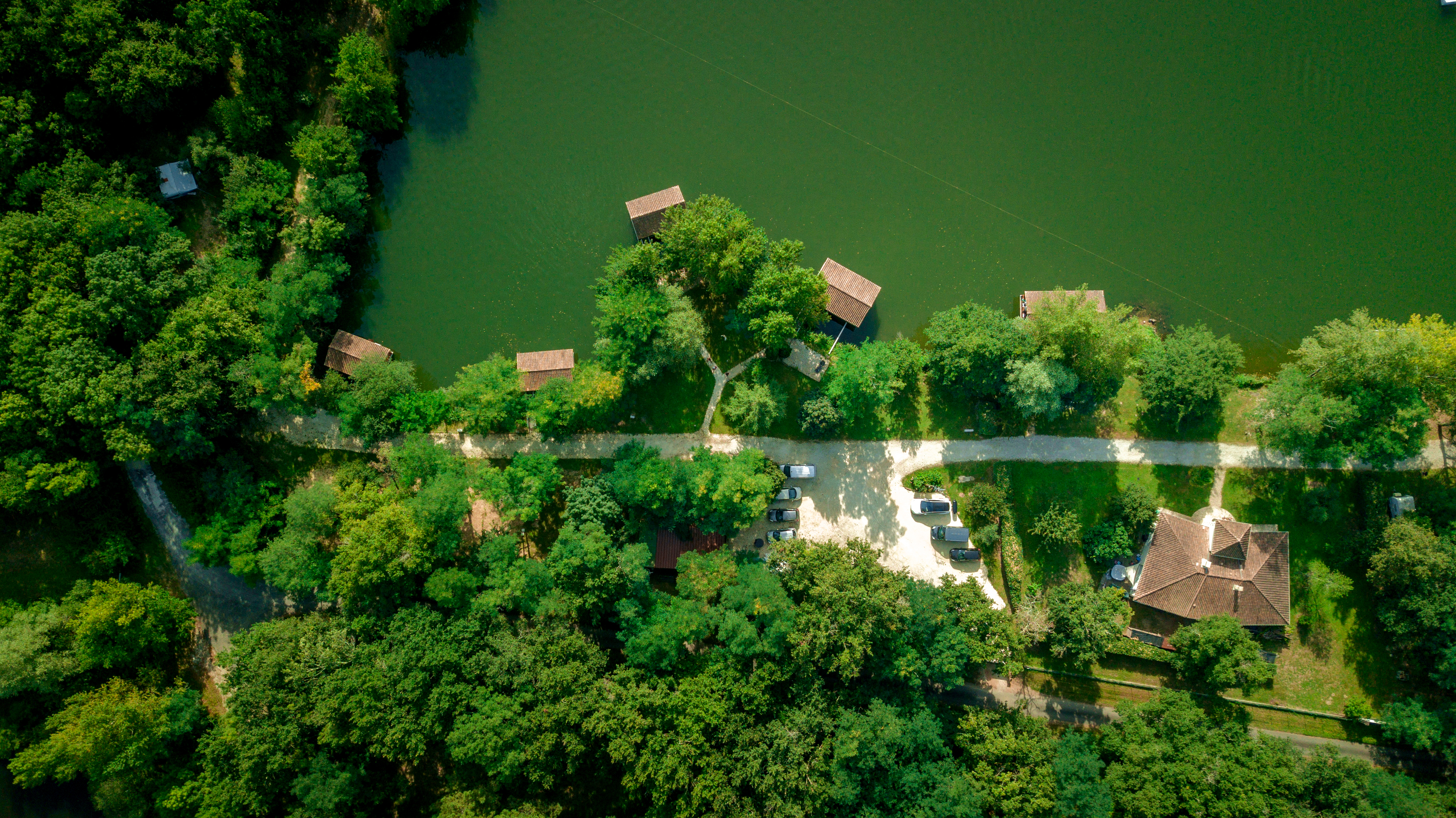
The Domaine du Dahu illustrates this profile well: less than 40 minutes from Bordeaux and less than 25 minutes from Saint-Émilion, it offers a 3-hectare private lake, a charming guesthouse, floating chalets with no overlooking neighbours and full privatisation of the estate. Note: it is not a conference centre and there is no equipped conference room — it is a setting suited to quiet work and convivial moments, ideal for teams of up to around 18 people. For the date, plan several months ahead, avoid the company's busy periods and check the venue's availability very early.
Step 4: build a balanced programme
A successful seminar rests on a programme that alternates three ingredients, without neglecting any of them:
- Work: thinking sessions, sub-group workshops, presentations back — the useful core of the seminar.
- Cohesion: team-building activities that break down silos and create shared memories.
- Conviviality: meals, free time, evenings — the informal moments where real bonds are formed.
A few golden rules for the programme:
- Do not overload the day: build in breathing space and margins between sequences.
- Vary the formats: plenary, sub-groups, outdoor activity, individual time.
- Place demanding working sessions in the morning, more playful activities in the afternoon.
- Share the programme in advance so everyone arrives prepared.
At the Domaine du Dahu, there is no shortage of cohesion activities: no-kill fishing on the lake, wine tasting hosted by Thomas, paddleboarding (bring your own, buoyancy aid mandatory, no swimming), electric-bike rides with bikes delivered on site by LOVELEC 33, or a laser game and escape game in nearby Libourne. You can also plan a barbecue-boat cruise at the Moulin de Porchères. For a detailed example of a two-day programme, see our article on team building in the Gironde.
Step 5: the logistics (accommodation, catering, transport)
Logistics are invisible when done well — and very visible when they fail. Anticipate every item:
- Accommodation: allocate rooms in advance, check the configurations and communicate them to participants. At the Domaine du Dahu, the charming guesthouse and the floating chalets house the whole team on site — the guesthouse page sets out the details.
- Catering: some venues do not offer an on-site restaurant service. That is the case at the Domaine du Dahu, which has an equipped kitchen and leaves the option of calling on local caterers — a welcome flexibility to shape meals your own way.
- Transport: centralise the information on access, organise car-sharing and specify arrival and departure times.
- Equipment: in the absence of an equipped room, bring your own projector, flip chart and extension leads.
- Internal communication: send a clear summary in advance (programme, access, suggested dress, what to bring).
For groups, the group stay page gives a concrete idea of the possible configurations depending on the size of the team.
Step 6: the mistakes to avoid
Many failed seminars fail for the same reasons. Here are the most common pitfalls:
- An overloaded programme: stacking sessions with no breaks exhausts participants and kills conviviality.
- No clear objective: with no direction, the seminar becomes a spend with no measurable return.
- An unsuitable venue: too large, too far away or shared with other groups, it breaks team spirit.
- Forgetting the informal moments: bonds form as much during meals and walks as during workshops.
- Neglecting communication: poorly informed participants arrive poorly prepared and barely engaged.
- Skipping the debrief: with no immediate feedback or follow-up, the seminar's good ideas are lost.
Most of these mistakes are corrected upstream, during preparation: hence the value of a methodical checklist.
The recap seminar checklist
Here is a seminar checklist to work through in order, from the first idea to the post-seminar follow-up:
- 3 to 6 months before: define the main objective and the success indicators.
- 3 to 6 months before: set the budget line by line, with a margin for unforeseen costs.
- 3 to 6 months before: choose the venue, check its availability and book the date.
- 2 to 3 months before: build the balanced work / cohesion / conviviality programme.
- 2 to 3 months before: book the activities and, where applicable, the caterer.
- 1 month before: organise the logistics (rooms, transport, equipment).
- 2 to 4 weeks before: communicate the programme and practical information to participants.
- On the day: welcome, facilitate, keep flexibility in the face of the unexpected.
- After the seminar: gather feedback, share the report and follow up the action plan.
Good news for forward-planning organisers: at the Domaine du Dahu, the team responds to enquiries within 24 hours and cancellation remains free up to 30 days before the date — so you can secure your planning. To confirm the details or ask your questions, the contact page is the ideal starting point.
In summary
Making your corporate seminar a success means following a method: a clear objective, a realistic budget, a suitable venue, a balanced programme, anticipated logistics and a careful debrief. A privatisable natural estate like the Domaine du Dahu, less than 40 minutes from Bordeaux, ticks many boxes for small-team seminars: a change-of-scene setting, on-site accommodation, unifying activities and complete freedom of organisation. With this checklist in hand, all that is left is to take action.
Ready to organise your corporate seminar?
Contact us for a tailored quote and to check the availability of the estate for exclusive hire for your team.
Request a seminar quote